
Web app development services assist with the design, development, and evolution of web-based applications. Tek Origin can offer you an effective, productive, professional and client oriented web applications, portals, XaaS solutions, and more.
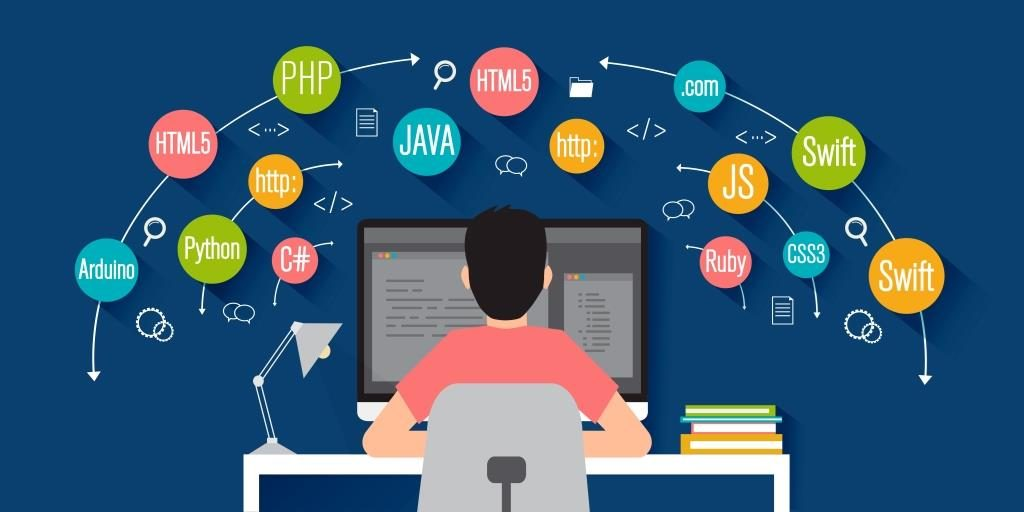
There are different types of web applications with different behaviors depending on how they’re built. While all these web application types still use web technologies they generally fall under the categories of client-side, server-side, or single-page applications.
Client-side web apps are dominant in front-end development, meaning the user interface (UI) is the focus of these types of apps. They tend to prioritize UX and bring users high-performance levels. Any data or business logic that the app might use to function is dynamically loaded at start-up. As a result of client-side rendering, there is little to no buffering time for loading a page. This speeds up interactions with content, making the page markedly responsive.
A web application, also known as a web app, is nothing but a computer program that uses a web browser to perform a specific function. A web application is a client-server program that comprises a client-side and a server-side. The user enters data through the client-side (front-end), while the server-side (back-end) of the application stores and processes the information. For example, shopping carts, content management systems, and online forms are typical web applications.
Both enterprises and individuals develop web applications to fulfill different purposes. Web apps help integrate the tailored experience of native apps with easy access on a website browser from any device. For example, LinkedIn, Basecamp, MailChimp, or even Facebook, have web apps that provide immersive and tailored experiences like the native apps directly from the browser. Hence, web application development is gaining a lot of popularity in almost all industries, including banking, eCommerce, education, healthcare, and more.
Server-side software is essentially synonymous with back-end development. Back-end development is composed of building the databases, servers, application programming interfaces (APIs), and any other background processes that occur in an application. Though server-side applications by and large still display content and/or UIs, the most dynamic of code resides in the web server. Server-side rendering (SSR) works well with static content as it can take some time for the web browser to send a request to the server and await an answer. On the bright side, server-side web apps are normally more secure and offer more browser compatibility than client-side web apps.
A single-page application (SPA) differs from a traditional multi-page application where new pages load only when you click a link. Instead, SPAs have desirable advantages of both client-side apps and server-side apps. SPAs wield their power from only one page, typically deploying an infinite scroll mechanism to display all its content. Despite the fact that server-side rendering holds associations with long wait times, JavaScript frameworks like React, Vue.js, and Angular use dynamic routing to fetch only the data that is necessary at any given time. Many web developers or web app developers exercise this faculty of SSR to build SPAs that do not require the entire page to reload in order to execute an action or fetch new data.